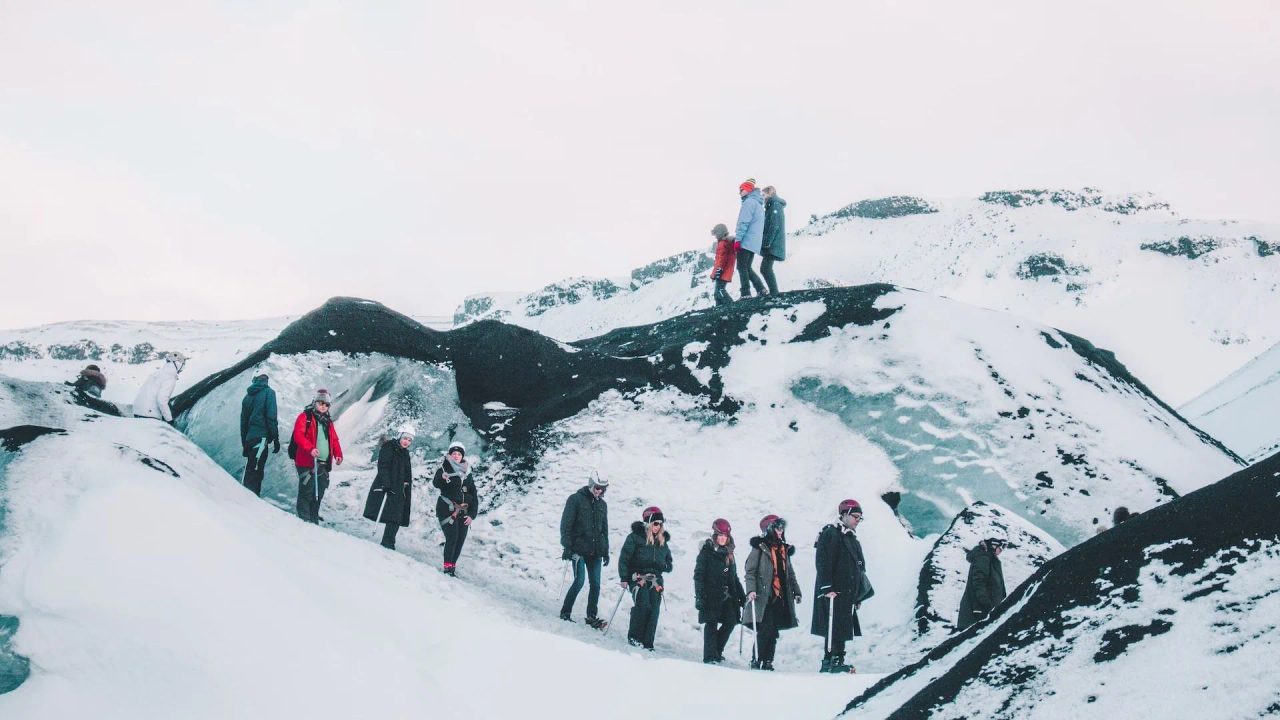
To avoid turning your snow hike into a bad memory, you need winter trekking gear, no more, no less.
Anyone with experience in snow knows well: there’s no better friend than the right equipment that keeps the cold away and makes snow as safe as normal terrain.
Many garments can positively or negatively change a person’s experience with nature in winter.
Since there’s no strict rule for hiking, it’s important to know how to navigate the vast universe of products, accessories, clothing, and so on.
Winter doesn’t forgive, but luckily we at Meeters are here to help; our past experience in the world of events has helped us discover the most important things to keep under control. When it comes to making new friends, we’re always at the forefront with our advice and guidance.
Why Is It Important to Have Winter Trekking Gear?
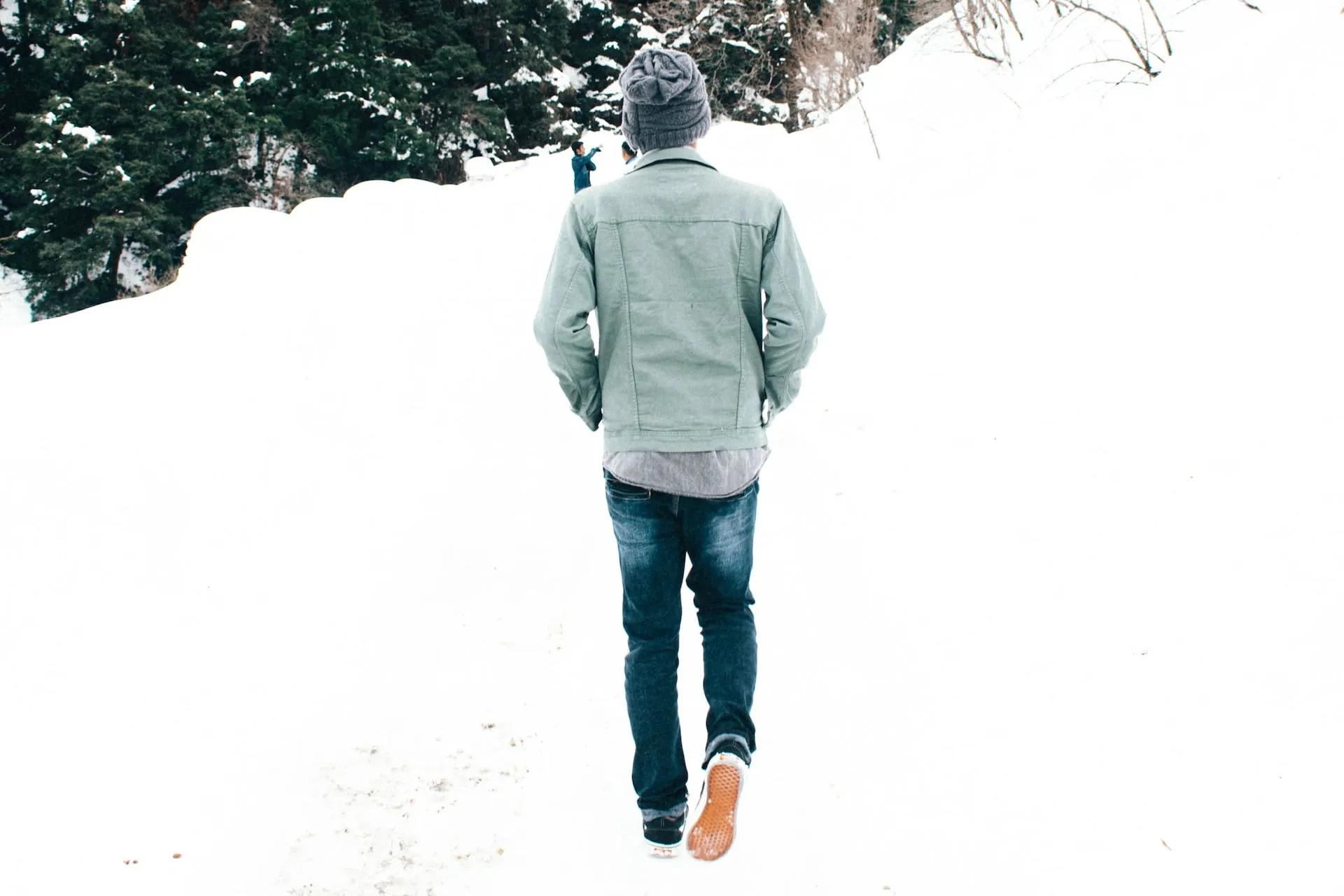
Let’s start by talking about something extremely important: you don’t mess around with the cold. Having winter gear and appropriate clothing to explore cold mountain peaks or even just a wild winter beach cove is necessary to avoid injury or illness.
Cold and conditions like snow, ice, or low temperatures have the unfortunate ability to make even trails that are easy in other seasons dangerous. Being physically prepared also means having the right gear to move safely on snow or ice.
[activecampaign form=22 css=1]
So it’s not just about clothing to face cold and frost but also accessories like poles, snowshoes, crampons, and spiked boots; all possibly complemented by a waterproof backpack to carry spare clothes and extra layers to adjust your 'onion layers' if temperatures rise or fall.
Some Examples of Winter Trekking Gear
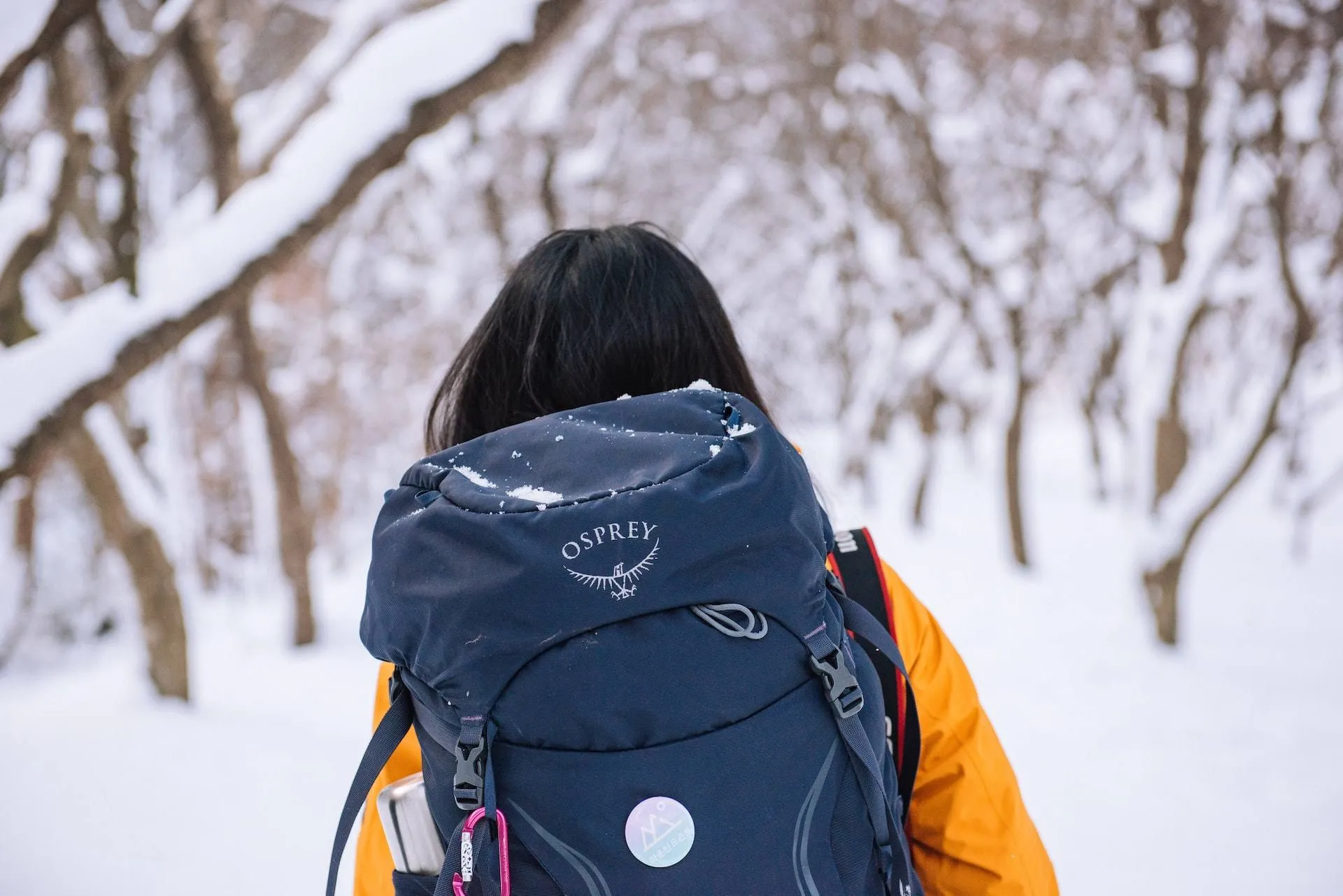
Let’s look at some examples of winter trekking gear:
- Appropriate Clothing: waterproof jackets, hats, gloves, scarves, ideally layered to regulate body temperature effectively.
- Crampons (if going on ice): necessary to have a secure grip on icy surfaces.
- Trekking Poles: important to distribute the weight of walking and trekking across all joints, avoiding overloading the knees.
- Shoes: waterproof, insulated, with soles designed specifically for snow and/or mud to make walking comfortable.
- Sunglasses / Ski Goggles: help prevent whiteout which happens to those who spend too much time in a natural environment dominated by white.
- Sunscreen / Sun Protection: to avoid sunburns caused by sunlight reflecting off the snow.
Depending on the type of hike, there are differences to consider: if you’re going to high mountains and staying out for more than a day, you need to bring snow equipment, avalanche safety gear like probes, emergency radios, satellite phones, and more. Hiking isn’t just about clothing and walking but also about paying attention to things that can endanger our skin and feet.
Base Layer, Mid Layer, and Shell: What These Terms Mean
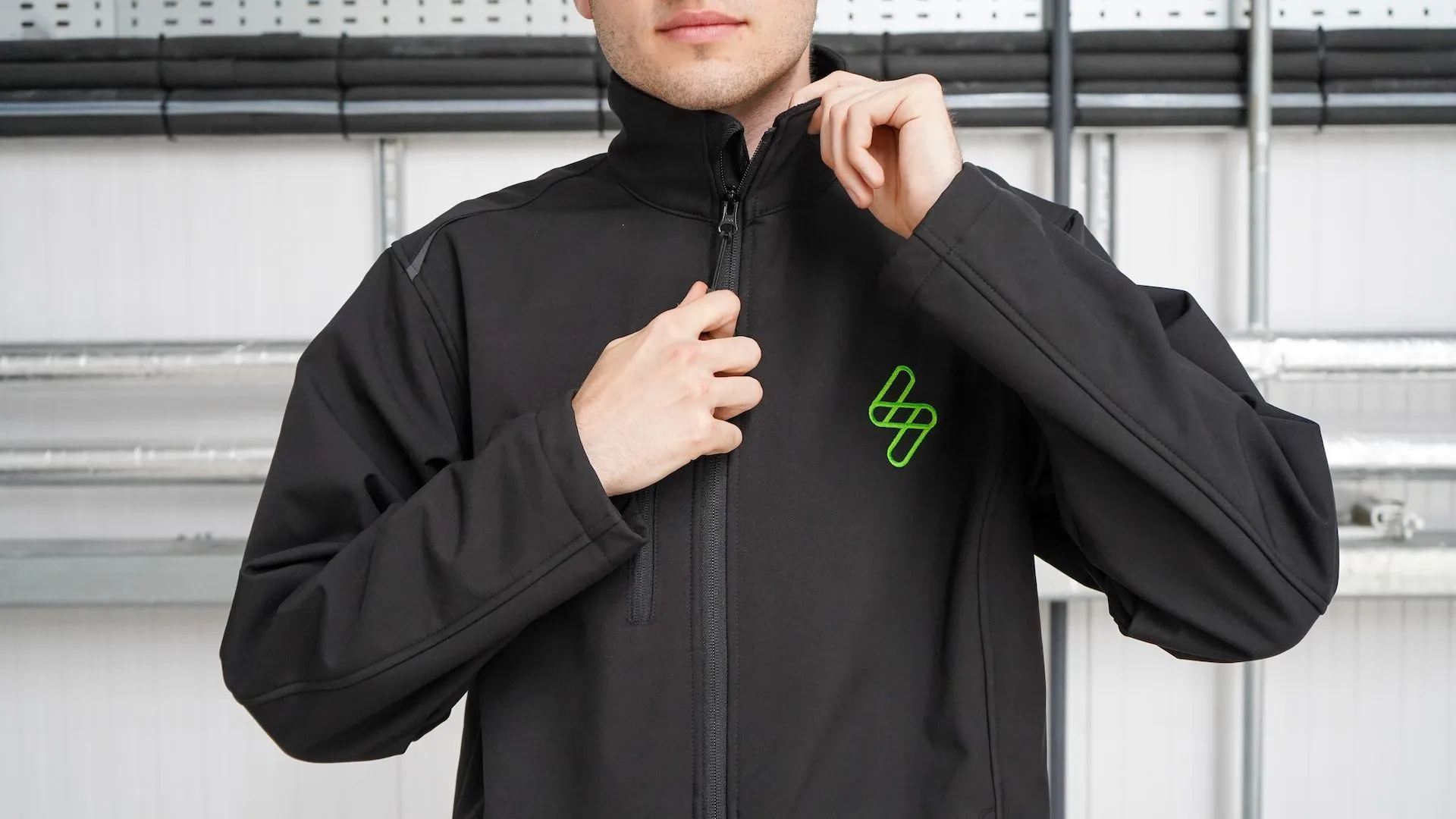
Just one search about winter trekking will bring up terms like base layer, mid layer, softshell, hardshell, fleece, and so on.
These terms indicate the parts of layered clothing (ever heard of dressing like an onion?) suitable for winter trekking.
Let’s take a closer look at what we’re talking about, so you’re prepared for a possible trip to Iceland..
What Is the Base Layer?
The base layer in layered clothing has a precise task: to move sweat away from the body produced during physical activity, pushing it as much as possible toward the outer layers. The most important feature of this layer is its breathability, so it’s wise to shop carefully for this.
A good base layer disperses moisture and excess heat, keeping the hiker’s body in optimal condition for physical movement.
What Is the Mid Layer?
The mid layer is the intermediary between our skin and the outermost clothing layer and is usually managed simply: fleece, lots of fleece, and of good quality. Fleece is a material you probably already know but, thanks to its characteristics, it succeeds in the difficult task of keeping us warm even during the toughest parts of a trek.
Fleece is lightweight, so it doesn’t weigh down your walk, is breathable and water-repellent, allowing sweat to escape to the outer layers. An important but often unmentioned reason to have fleece is its quick-drying ability: this helps optimize break times.
What Are Hardshell and Softshell?
The outer protective layer deserves a slightly more detailed discussion because, practically speaking, there are two different options.
Hardshell and softshell are two ways to choose garments for the outermost layer of your clothing. Softshell refers to soft, comfortable protective shells, characterized by a gentle fit that follows the trekker’s movements while protecting against the cold.
Hardshell garments, on the other hand, are jackets for extreme cold that tend to be less comfortable to wear but offer better thermal insulation performance. These garments are top-notch for waterproofing, breathability, and lightness, but some may find them uncomfortable to wear.