Even though this year the winter chill seems to have gripped our country and shows no sign of leaving anytime soon, spring is just around the corner. You might have noticed it from the lengthening days, the greening and blooming of plants, as well as the appearance of the first shy swallows. Thespring equinox is approaching, but what does this date really represent? Where do the roots of this occasion lie? Is it the same worldwide? Let’s find out and explore ways to celebrate the arrival of the beautiful season!
Spring Equinox: What It Is
Equinoxes and solstices mark the change and transition of the seasons. The equinox in particular occurs when the sun is perpendicular to the equator (the imaginary line that passes through the two poles dividing the Earth in half). The Earth's axis of rotation is not regular but tilted, and only twice a year, at the equinoxes, is it perpendicular to the direction of the sun's rays. On these two dates, the length of daylight hours equals the length of nighttime hours.
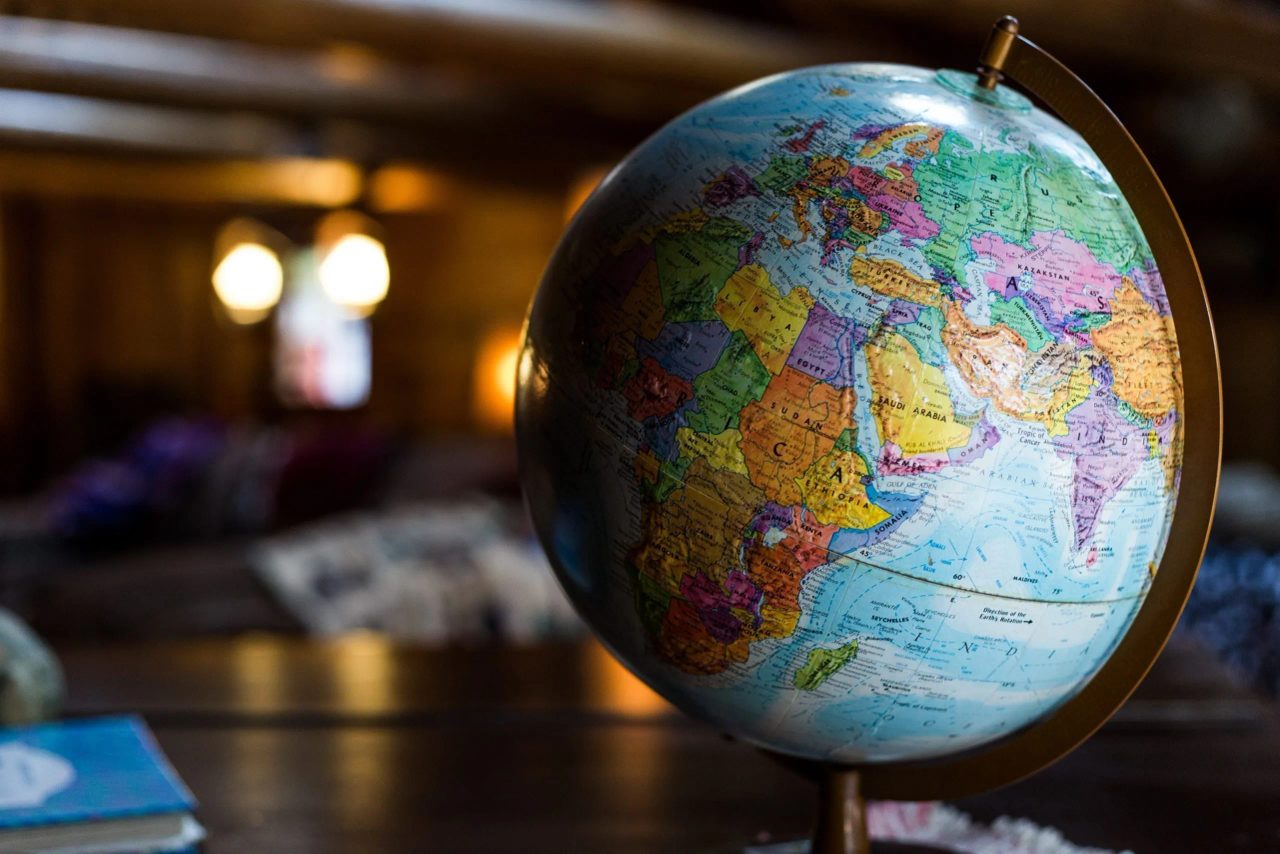
There are exactly two equinoxes. The one that marks the beginning of spring occurs between March 20 and 21, while the one that starts autumn falls between September 22 and 23.
Equinox and solstice are not synonyms but indicate two different phenomena. During solstices, the sun reaches its highest and lowest points relative to the horizon. In the first case, during the summer solstice (between June 20 and 21) June), we experience the longest day of the year and therefore enjoy more sunlight. In the second case, at the winter solstice (between December 21 and 22), we have the shortest and least bright day of the year.
The dates of solstices and equinoxes are conventionally set on the 21st of the corresponding month, but these can vary by one day each year. This is because our calendar is divided into 365 days, but to complete the orbit the Earth takes precisely 365 days, 6 hours, 9 minutes, and 10 seconds. That’s why the date varies and along with it the time when the sun is at its zenith relative to the equator.
March Doesn't Mean Spring for Everyone
One final clarification is needed. The Earth is divided into two hemispheres. The Northern Hemisphere is ours, encompassing Europe, Asia, North America, and northern and central Africa. The Southern Hemisphere includes parts of South America and Africa, Southeast Asia, Oceania, and Antarctica.
In these two parts of the world, equinoxes and solstices each occur only once a year, but on different dates. For example, the Northern Hemisphere celebrates the transition from winter to spring during the March equinox, just as the Southern Hemisphere witnesses the change from summer to autumn.
Why Is the Spring Equinox Celebrated? Many Traditions for One Festival
Human history has always been closely tied to and marked by the changing seasons,which also dictated changes in daily habits. This was mainly due to agricultural activity, the primary livelihood of ancient humans, but also to religious traditions that have long associated their main festivals with these dates.
Spring in particular has always been welcomed with joy as it heralds the start of the warm season and the rebirth of nature, the triumph of life over death. Even today, festivals and events are celebrated worldwide to mark the return of spring.
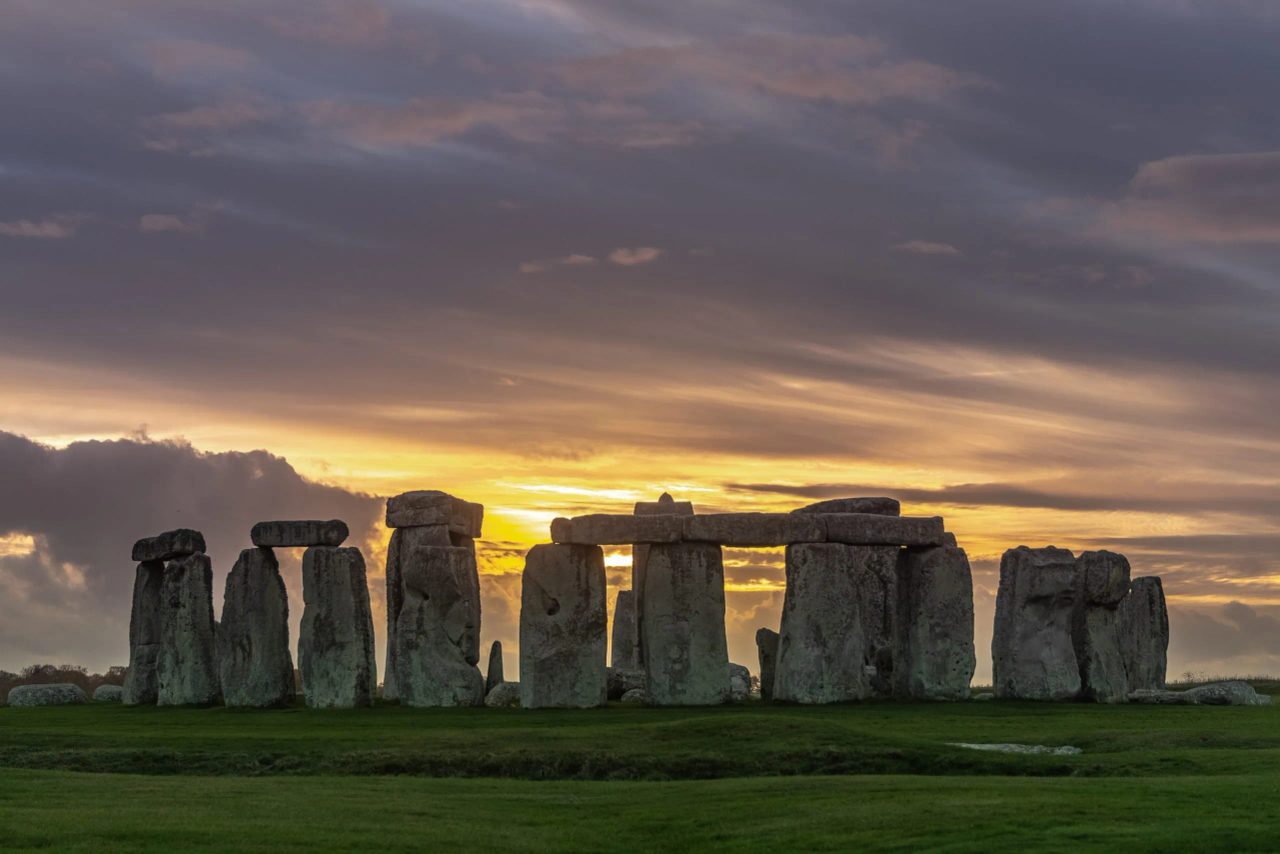
Equinoxes and solstices as such were especially celebrated in pagan religions, which were closely linked to nature worship. The quintessential pagan place of worship is the megalithic complex of Stonehenge in England. Even today. So, there are no real celebrations of the equinox itself, but this date could be the perfect occasion for a day trip or a hike. You can take a look at our events organized for spring and Easter.