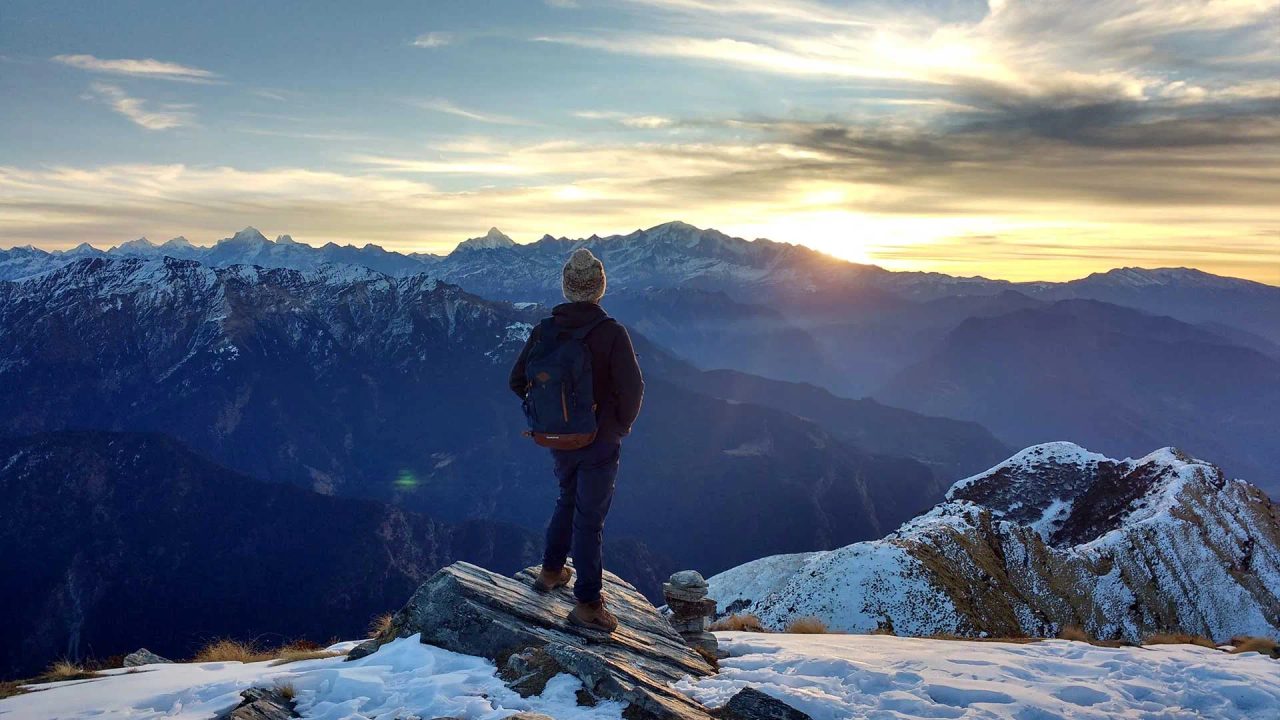
We are used to associating hiking with beautiful spring days and green meadows. But every now and then, we also give a chance to romantic late October walks to admire the autumn foliage. However, we rarely think of winter as a season suitable for long walks. Practicing snow trekking is not only possible, but also essential! It’s a different way to experience the mountains, to learn about their changes and admire them in a whole new and fascinating light.
However, trekking on snow is not exactly like hiking in the woods. As you can easily imagine, walking on snow involves additional risks and challenges, so it is absolutely necessary to be well informed and properly prepared before setting out. For these reasons, we have put together a brief preliminary guide to help you walk safely even in the coldest season!
1. Physical Preparation
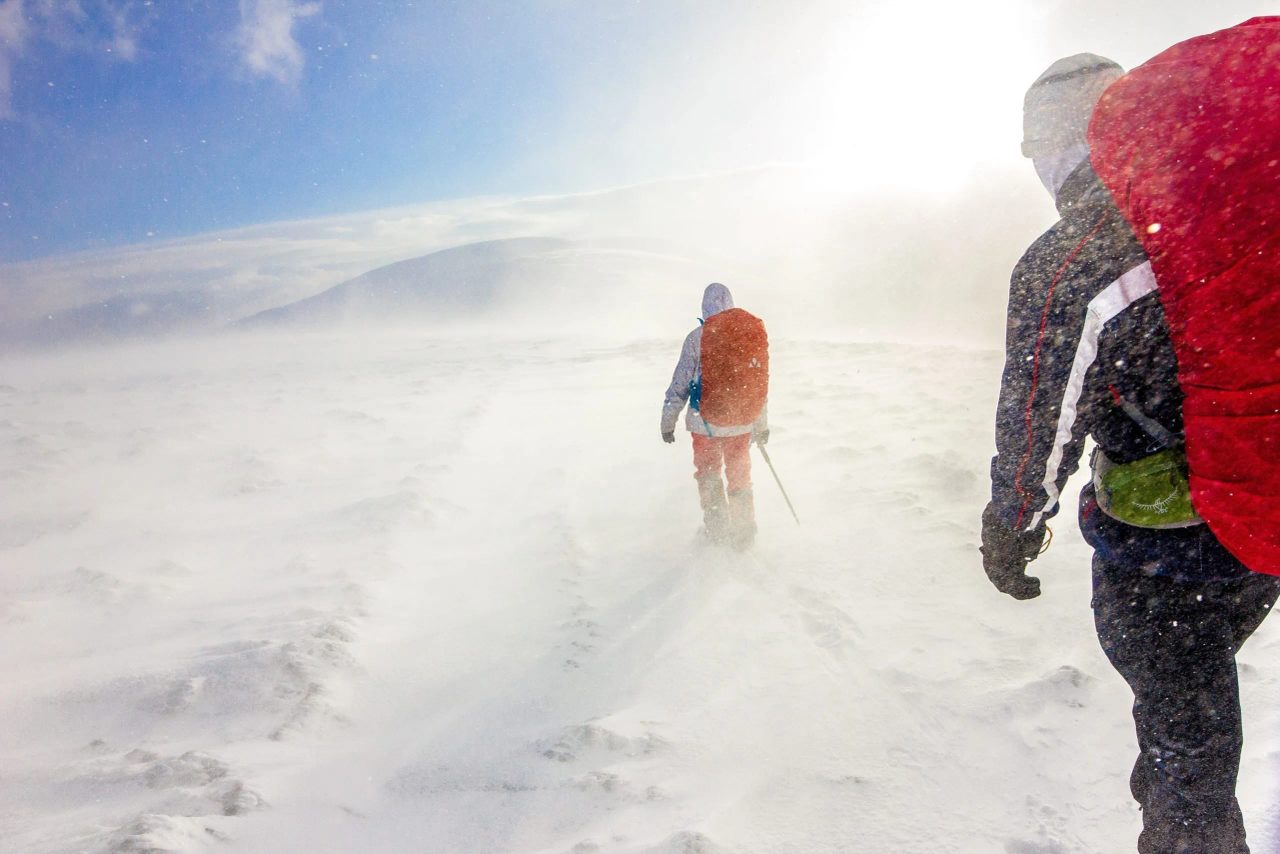
Walking is the simplest and most immediate of sports activities and for this reason many tend to overestimate the need for physical preparation before a hike. That said, you don’t need to go to the gym and train five hours a day for a whole month before trekking.
But it’s also true that if your body isn’t used to moving, you won’t really benefit from the walk; instead, you’ll get tired faster and may experience muscle pain that will spoil the experience. Plus, in the mountains with rough terrain, cold, and humidity, the hike could turn into a real nightmare!
What you need is a bit of training. So dedicate at least half an hour a day to walking, without needing to cover very long distances. Maybe start by choosing to walk instead of taking the car or public transport to get to work or run errands. Begin with small activities and gradually increasethe level until your body gets used to thinking of walking as a natural, everyday activity.
Training will help you feel much better in a very short time, and not just physically! Do you know all the benefits of walking? Read our article to learn more!
2. What to Wear
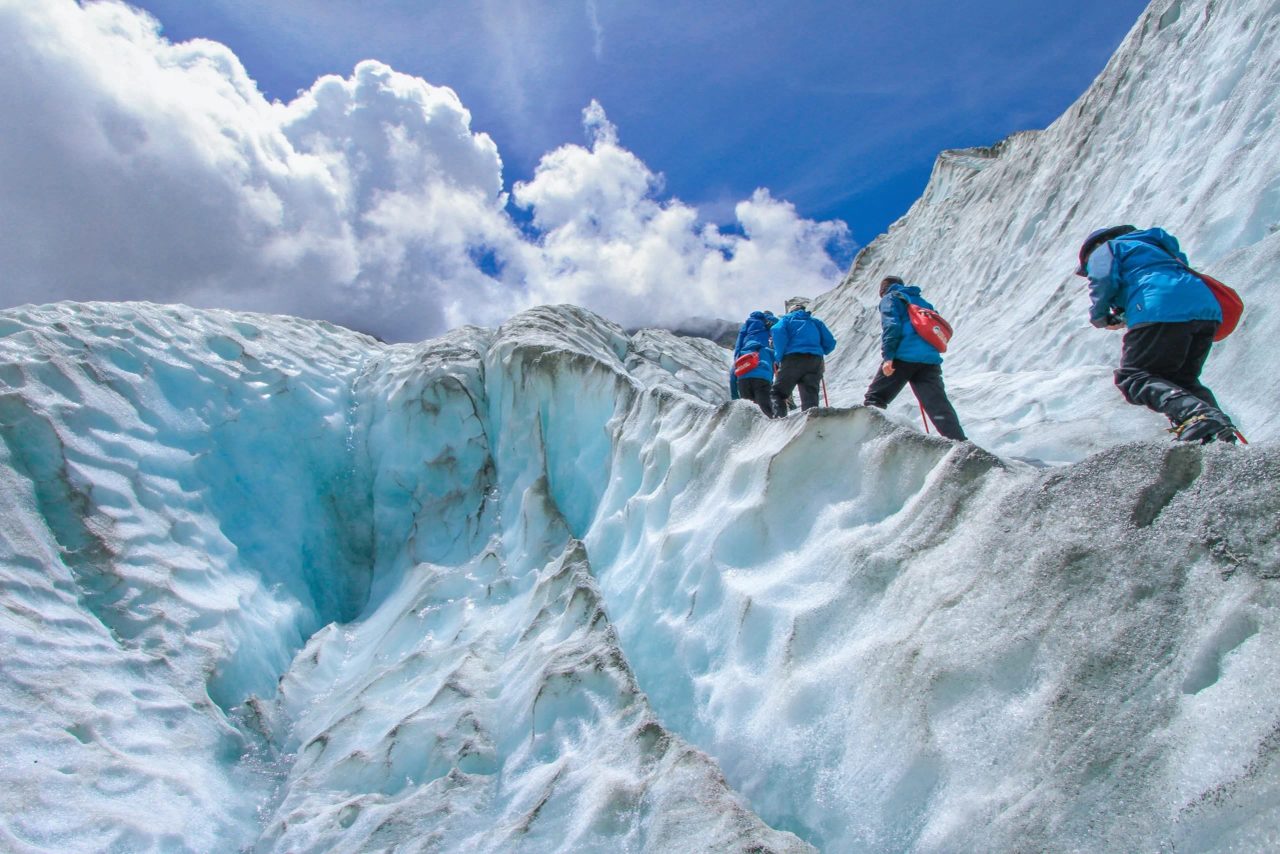
Another common mistake is thinking that to be comfortable in the mountains, you just need to wear a heavy sweater and any pair of boots. The shoe issue is a bit longer and more complex, so we’ll discuss it in detail in the next paragraph. For now, let’s focus on clothing.
The fundamental rule for dressing in the mountains during winter is to dress in layers, so you can easily add or remove a layer depending on your needs.
The most important layer is the innermost one, the one in direct contact with your skin. So choose thermal underwear, leggings and long-sleeve shirts made of technical fabric. This type of fabric is best for hiking because it helps regulate body temperature and prevents unnecessary sweating.

Over the underwear, it’s better not to wear a sweatshirt or sweater, but rather a lightweight fleece that absorbs sweat and releases moisture outside. Over this, you can wear a heavier fleece to keep warm.
For pants, choose padded ones with a fleece lining inside and an windproof waterproof layer outside. This way you’ll be protected from water and moisture every step of the way!
Finally, choose your jacket carefully. For hiking, the best jacket is a synthetic down jacket because, unlike goose down jackets, it regulates heat loss better.
3. Which Shoes to Wear
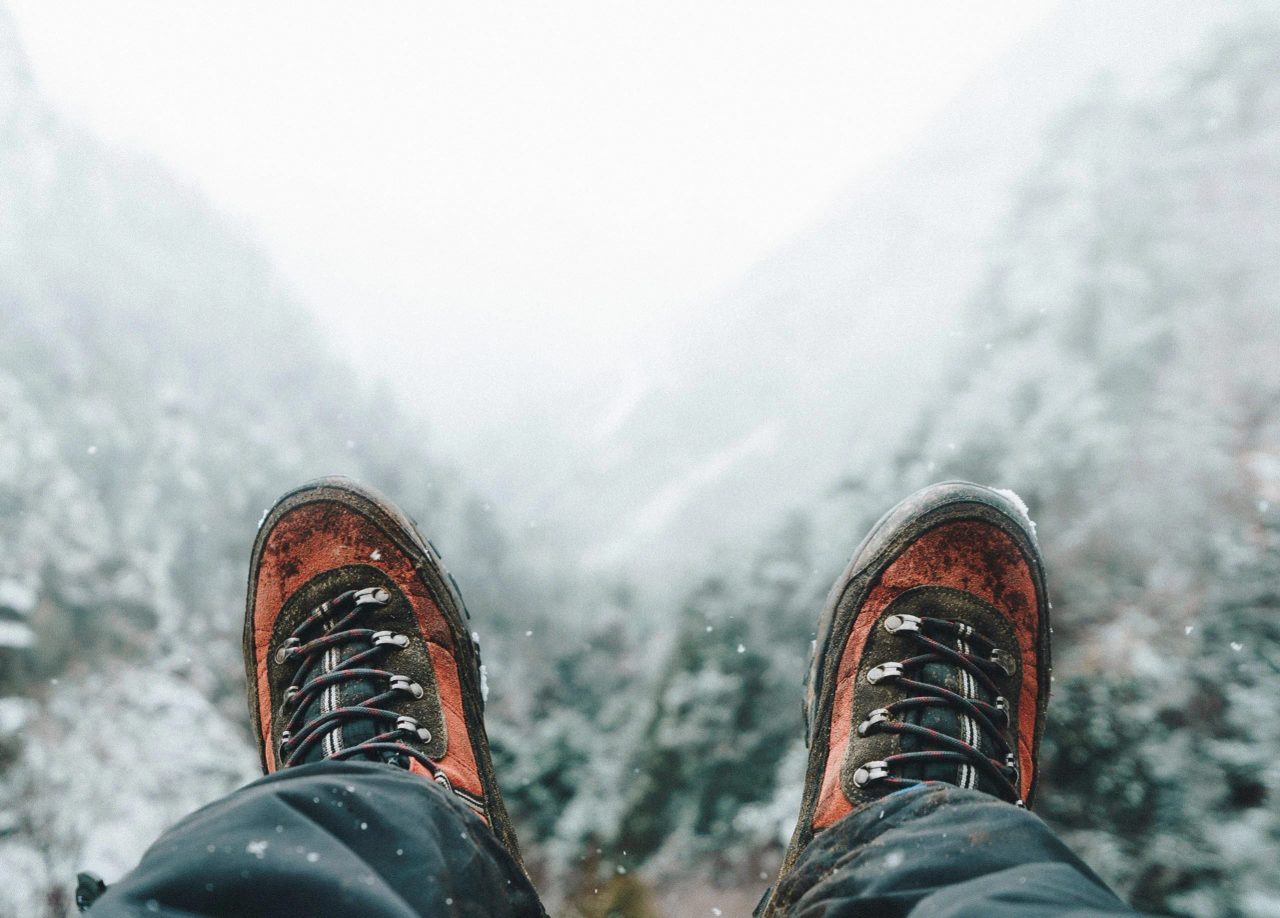
Shoes are the most important part of your outfit because they support your entire body, protect you from rough terrain and possible injuries, and keep your feet warm. It’s essential that the shoe is suitable for the type of hike you’re undertaking. Not all shoes are the same, so avoid wearing the boots you usually use for walking in the city!
Generally, the best footwear for mountain walking is technical hiking boots. The best material is waterproof Gore-Tex because it prevents water from entering. The sole should be sculpted to support the shape of the foot and thus your entire body weight, but also lugged specifically for snow.
Theheight of the bootis also crucial: it should wrap around your ankles to keep them stable and protect them from twists and impacts caused by uneven terrain.
Hiking boots are the best choice in any situation, whether you plan to walk on fresh, deep, icy, or slightly melting snow, or if you want to use snowshoes. Snow boots are still a good choice and keep you warmer than shoes, but they don’t provide the same kind of support.
Gloves, scarves, and especially your backpack are also part of your gear. Choosing the right backpack isn’t easy, so check out our guide to make sure you get it right!
[activecampaign form=22 css=1]
4. Equipment
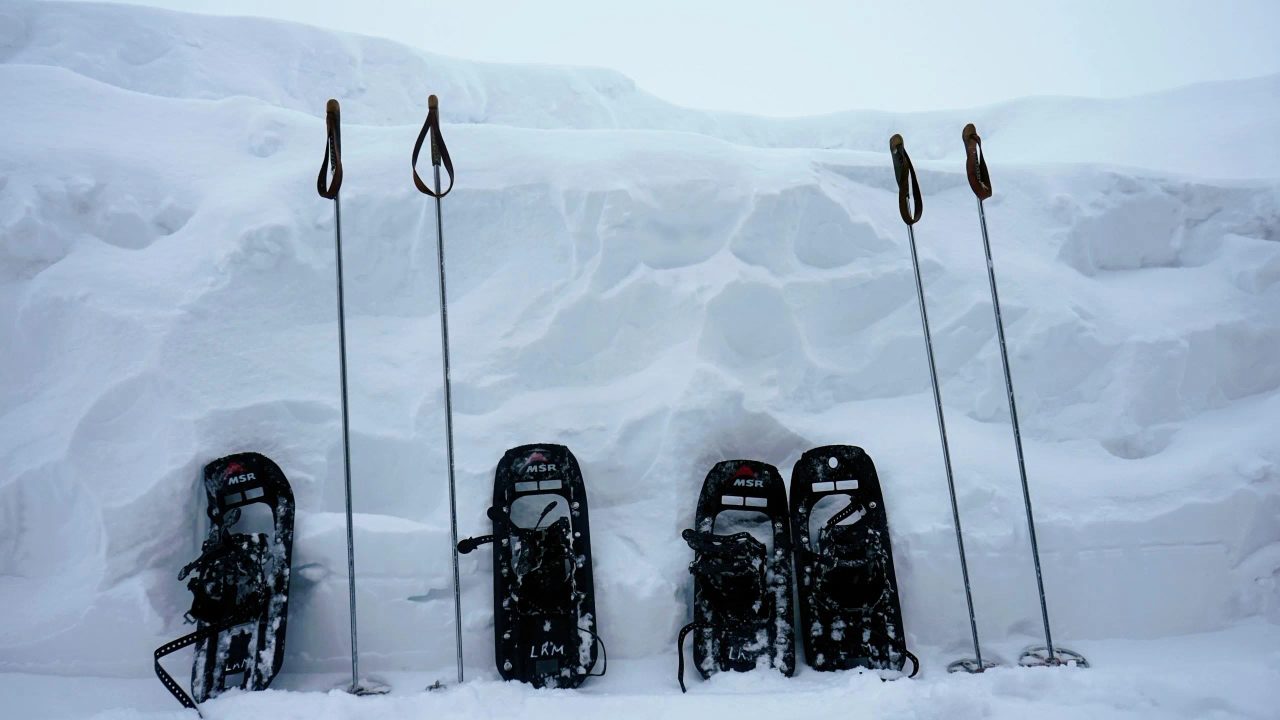
Snow trekking is not only tiring but also quite dangerous, since there can be icy, slippery, or steep and hidden sections. Shoes alone provide good protection but not always enough. You can therefore use other mountain gear that will support you best:
- Snowshoes are the classic snow racks that attach to your hiking boots. They allow you to walk more easily on fresh snow without sinking. However, you should also consider that they are a bit heavy, so you will tire more when wearing them.
- The poles used for walking in the snow are reinforced Nordic walking poles with sturdy tips. They can be used alone or as an aid with snowshoes, but generally it’s always better to have them when trekking on snow. Poles help you maintain good balance both uphill and downhill. They also help you get through difficult sections more easily and protect you from falls. Plus, with poles, your upper body works too, giving you more physical benefits.
- Snow crampons are chains with spikes that you attach around your shoes. They are especially useful when walking on ice or particularly slippery surfaces because they provide better grip on the ground. They’re a great choice because they’re inexpensive, not uncomfortable while walking, and make it much safer. 5. Other Useful Tips
When preparing for a hike, nothing should be taken for granted; a small extra precaution could save your life. Besides everything we’ve said so far, also note these additional tips:
 When preparing for a hike, nothing should be taken for granted; a small extra precaution could actually save your life. In addition to everything we've mentioned so far, make sure to note these additional tips:
- the essentials . Don’t carry things you won’t need during the hike; they will only weigh you down unnecessarily. Instead, remember to bring a smallfirst aid kit , a flashlight, a map of the area you’re exploring, and especially afully charged phone with GPS enabled . Also bring a portable charger in case of emergency.Plan your hike in detail
- , always inform someone of where you’re going, study the route, and stick to it by following the signs without giving in to sudden impulses.Check the weather forecast
- before leaving and only set out if conditions are good. If there are possible alerts or storms on the horizon, postpone the hike. Only venture out alone if you are an experienced trekker and already know the route. If you’re unsure or if it’s your first hike,
- rely on an expert guide or join a walking group, like those organized by us at Meeters Now that everything is ready, all that’s left is to set off and discover the wonders of the mountains in winter and snow trekking!.
And now that everything is ready, all that's left is to set off and discover the wonders of the mountains in winter and snow trekking!