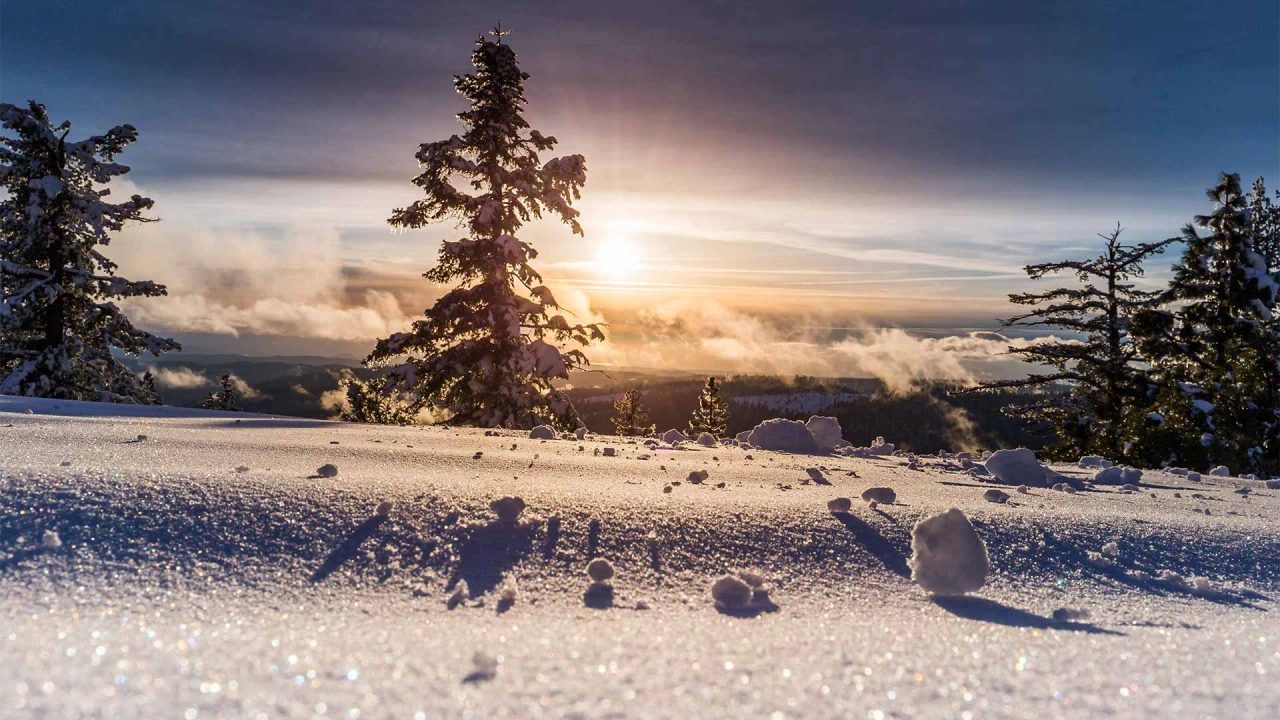
With the arrival of winter and cold weather, the desire to go out and do outdoor activities drastically decreases. Yet one cannot help but dream of mountains covered in white and long to venture through woods and valleys. Trekking always seems like a spring and summer activity, but in reality it fits perfectly with the coldest season! In this article, let's see how to organize snow walks , how to prepare and dress to avoid the cold, and which places to visit to live the dream!How to Prepare for Hikes
Walking is the
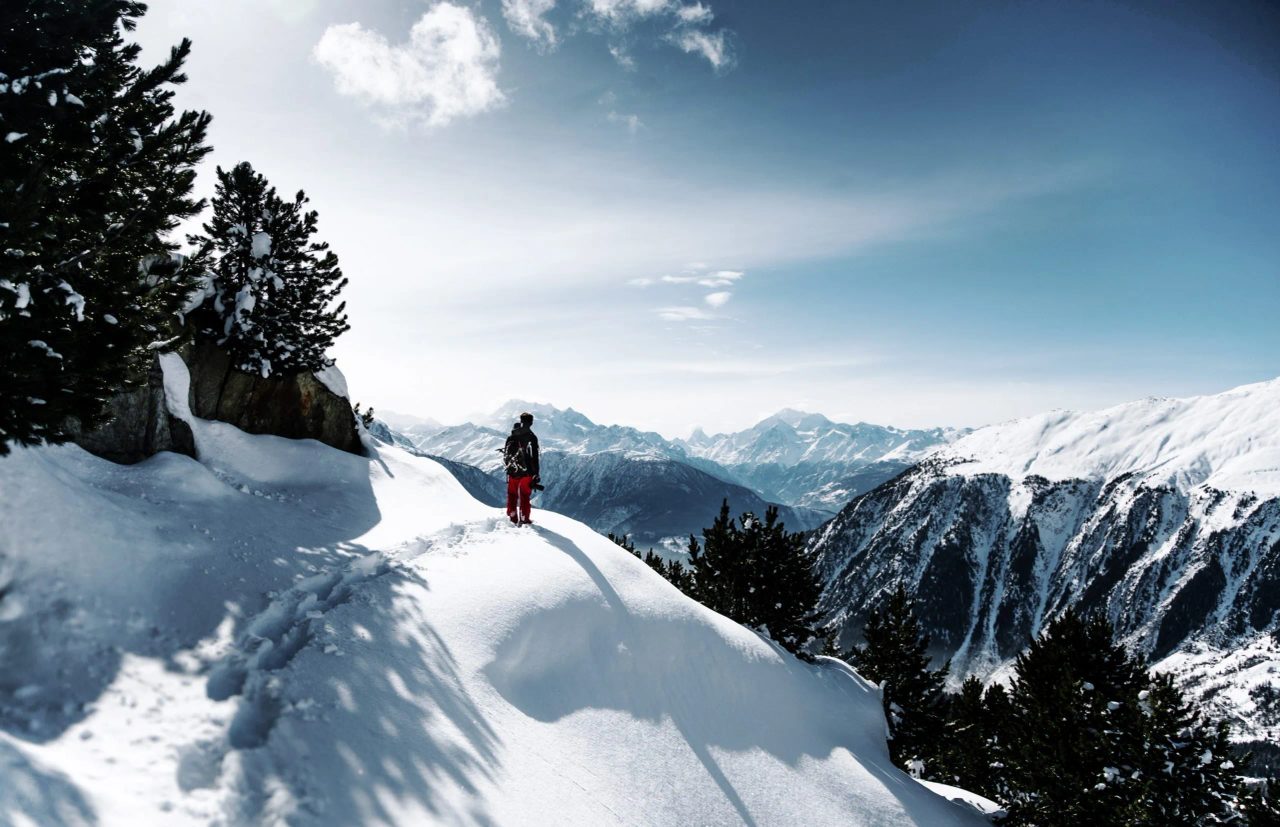
most natural and simple sportwe practice daily without even realizing it. For this reason, we often tend to underestimate it, but this is a mistake we absolutely must not make, especially when walking on snow. The benefits of walking are many, both physical and mental, but if we don't prepare properly, we risk nullifying all efforts. Here are some simple rules to
enjoy the beauty of the mountains in winter safely. Training
As mentioned, walking is a spontaneous activity and as such anyone can do it
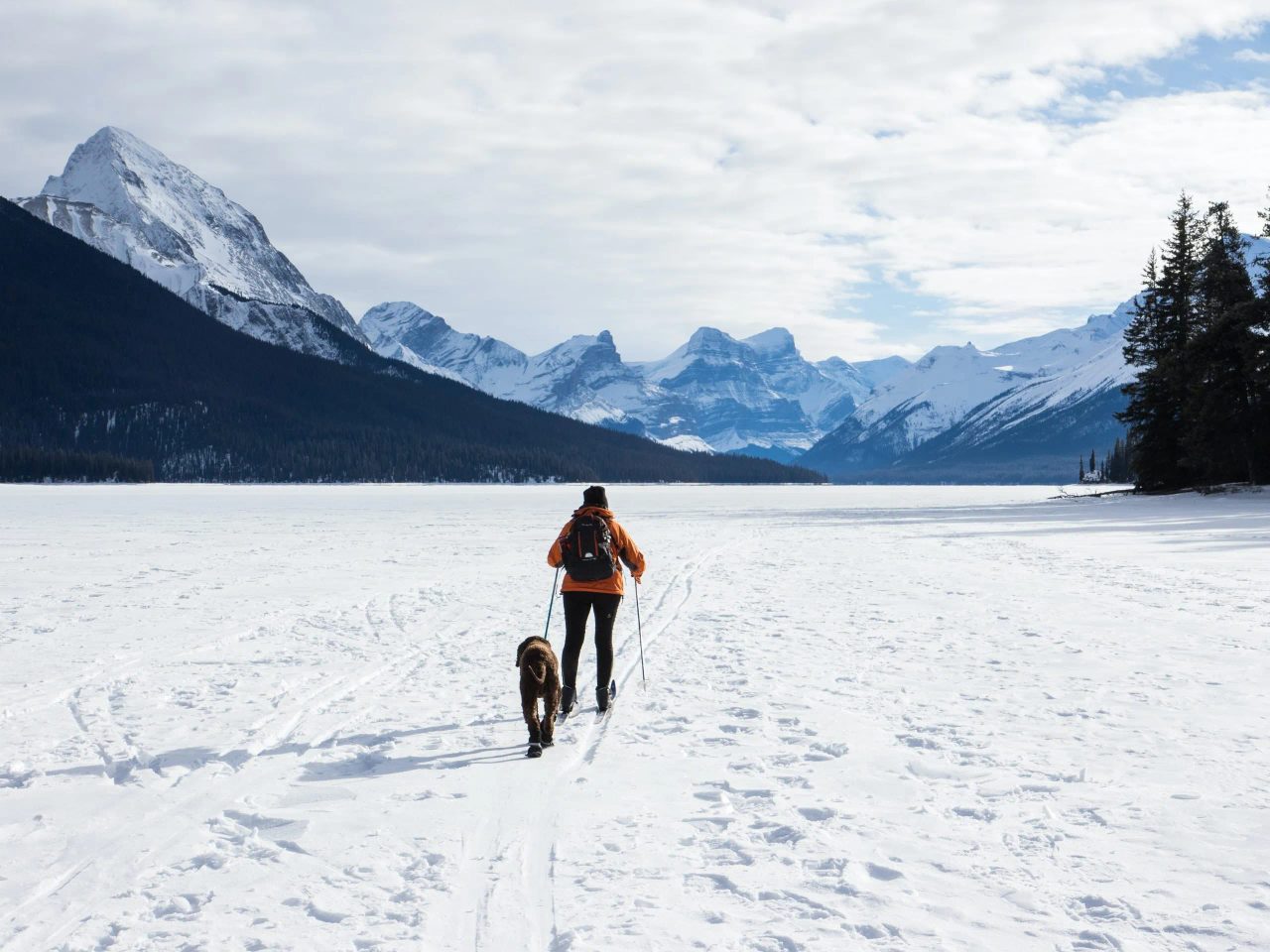
without needing extensive preparation or long gym sessions. However, when planning a hike, it's good to prepare physically and
get your body used to movement to avoid getting tired after a few kilometers or suffering injuries, strains, and muscle pain that would ruin the experience.Hiking is a sport that doesn't require anything too complex, just being accustomed to walking for long periods. The advice is to
start gradually by walking short distances daily, perhaps choosing to leave the car at home to walk to work or the supermarket. Slowly increase the duration and difficulty of your walks, but don't overdo it!, starting by walking short distances each day, perhaps choosing to leave the car at home to walk to work or the supermarket. Gradually increase the length and difficulty of your walks, but don’t overdo it!

Clothing is often underestimated when preparing for a mountain trip. It's not enough to just layer wool sweaters to avoid the cold; in fact, wool is a fabric to avoid for long walks!
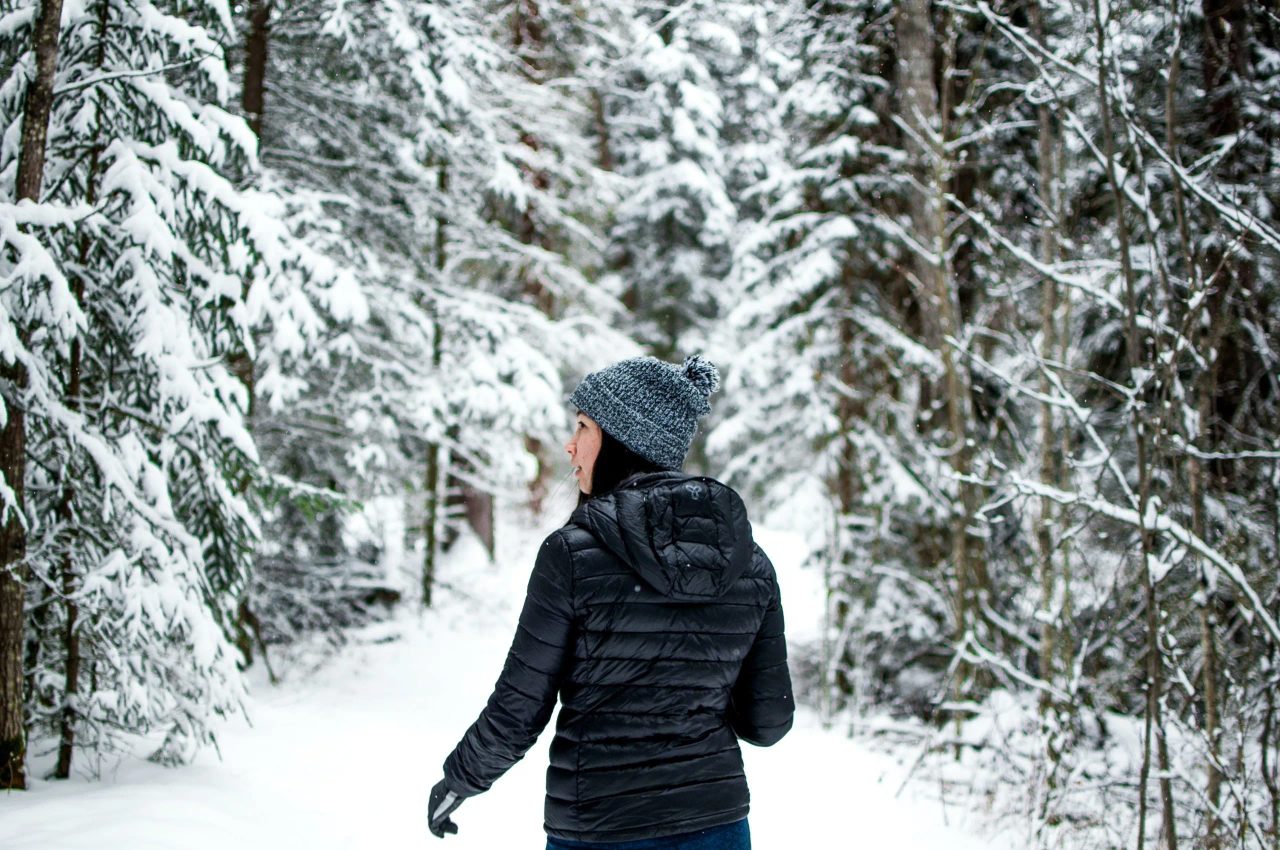
Clothing is often underestimated when preparing for a mountain trip. Simply layering wool sweaters won’t keep you warm, and in fact, wool is a fabric to avoid for a long walk!
dress in layers . This way, it's easier to add or remove layers as needed to avoid sweating and unnecessarily wetting your clothes. The first and most important layer is the one in contact with the skin. Wear
thermal underwearmade of technical fabric that regulates your body temperature, keeping you warm and dry. A long-sleeve shirt, leggings, and socks are sufficient. The next layers include a made from technical fabric that regulates your body temperature, keeping you warm and dry. A long-sleeve shirt, leggings, and socks may be enough. The next layers then include a to help disperse moisture and keep you warm. Pants should be lined with a fleece layer inside and
covered outside with windproof and waterproof fabric . This is essential since you'll be walking in snow and it's very important not to get your clothes wet!Finally, the jacket should be a
synthetic down jacket because it regulates heat dispersion better than goose down, which tends to absorb moisture. Boots
The real secret to an unforgettable snow walk is the footwear! So, don't even think about tackling mountain trails with sneakers or city boots!
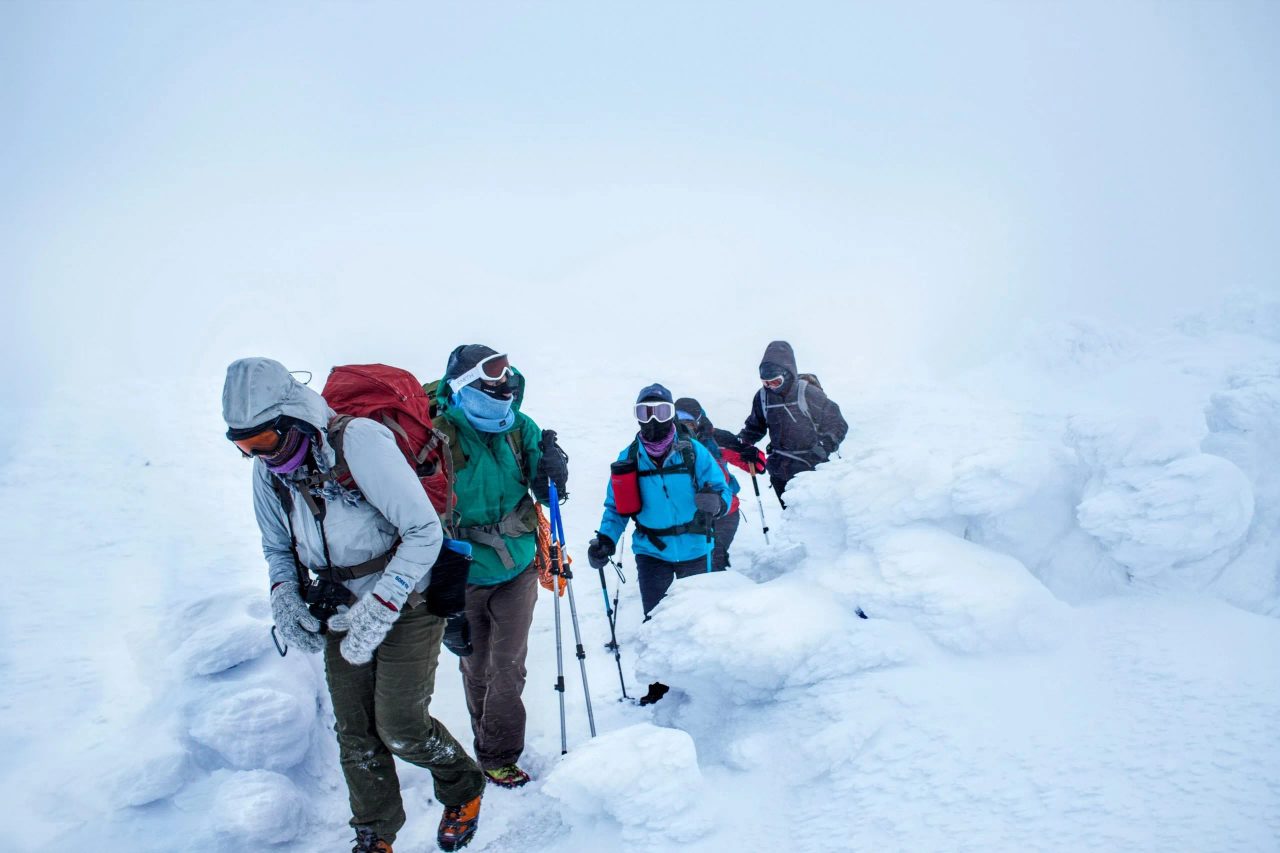
The shoes must support not only your feet but your entire body and therefore must be comfortable and
specifically designed for walking in rough terrain and snow. The best boots are technical ones, made with an outer
waterproof GoreTex lining . The sole is equally important because it must grip the ground to prevent slipping. Make sure it islugged for snow . Also, the boot should always be high, wrapping around the ankle to keep it firm and protected from falls and twists.[activecampaign form=22 css=1]
Snowshoes, Crampons, and Poles
The right equipment can really make a difference when walking on snow, but you need to know what to use and when.
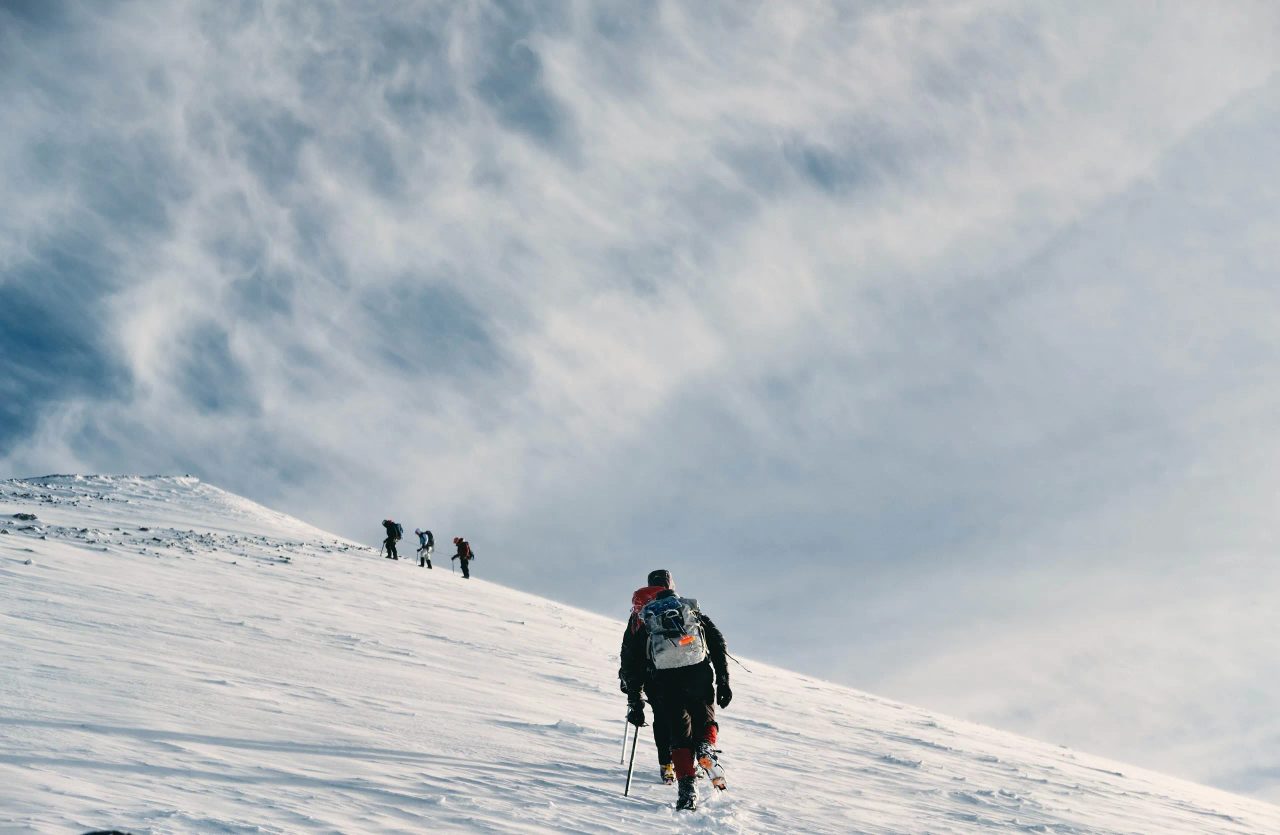
Snowshoes are the traditional
snow racks , structures that attach under your boots and allow you towalk on fresh snow without sinking . They are very useful when walking on a trail completely covered in snow, but they shouldn't always be carried. They can be a bit heavy to drag, so if the path is fairly clear of snow, carrying them will only tire you unnecessarily. If the path is icy, snowshoes are just a burden and even a bit dangerous.. These are really useful tools when walking on a trail completely covered in snow, but they shouldn’t always be carried. They can be a bit heavy to drag along, so if the path is mostly clear of snow, carrying them will only tire you out unnecessarily. If the path is icy, snowshoes will just be cumbersome and even a bit dangerous.
are the best accessory to wear when you find yourself on an icy or slippery path . They are fairly light structures made of chains and spikes that grip the ground to prevent slipping. Crampons always attach to your shoes and don't make walking harder, but again, it's best to avoid wearing them if the terrain doesn't require it. Nordic walking polesare classic trekking equipment and can be used on any terrain, also as support for crampons or snowshoes. In the mountains, poles really make a difference because
they help maintain balance both uphill and downhill and protect against accidental falls. The advice is to always bring a good pair of poles and never leave them behind during your hike! are part of classic trekking gear and can be used on any terrain, even to assist with crampons or snowshoes. In the mountains, trekking poles really make a difference because We conclude our guide to snow walks with some tips on where to go in Italy
for winter hikes. Italy is rich in destinations where you can plan a
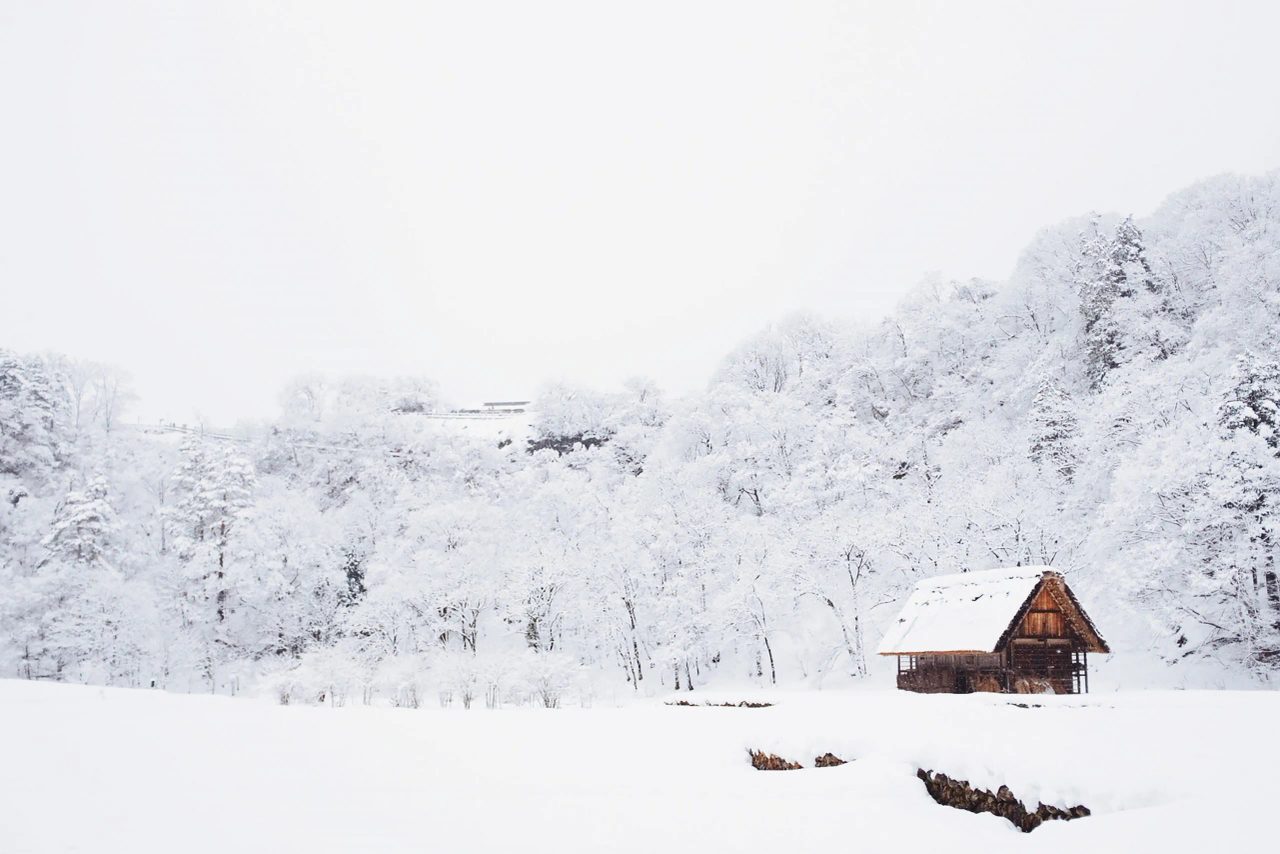
holiday focused on outdoor sports activities in nature, among snowy mountains and landscapes. The most popular destinations for snow walks are undoubtedly the areas of Trentino Alto Adige . First among them stands the elegant
Madonna di Campiglio , set in the Dolomites of Brenta. In this area, you have plenty of choices for walking, but don't miss the trails inside theAdamello Brenta Natural Park , atAndalo , in theVal Rendena and theVal di Sole Another unmissable area of Alto Adige is the Valle Aurina Casere.
and the Campo Tures, . Here the trails are well marked and offer different levels of difficulty, so they are really accessible to everyone. Choose this area if you are traveling with family, children, or dogs. If you happen to be in Alta. The trails here are well marked and offer varying levels of difficulty, so they’re truly accessible to everyone. Choose this area if you’re traveling with family, children, or dogs.
, don't miss the chance to enjoy a beautifulsnowshoe hike from San Cassiano to the Sanctuary of Santa Croce , even more enchanting with snow. This route is perfect for all hikers, including absolute beginners. During the walk, stop at thePiz Sorega refuge , where you can soothe your efforts with an exceptionalculinary offering featuring local speck and cheeses.Our practical guide to snow walks ends here, but if you enjoyed our tips, visit the Meeters website to discover events and itineraries to experience our country in the company of new friends!
Our practical guide to walking on snow ends here, but if you enjoyed our tips, visit the Meeters website to discover events and itineraries to experience our country in the company of new friends!