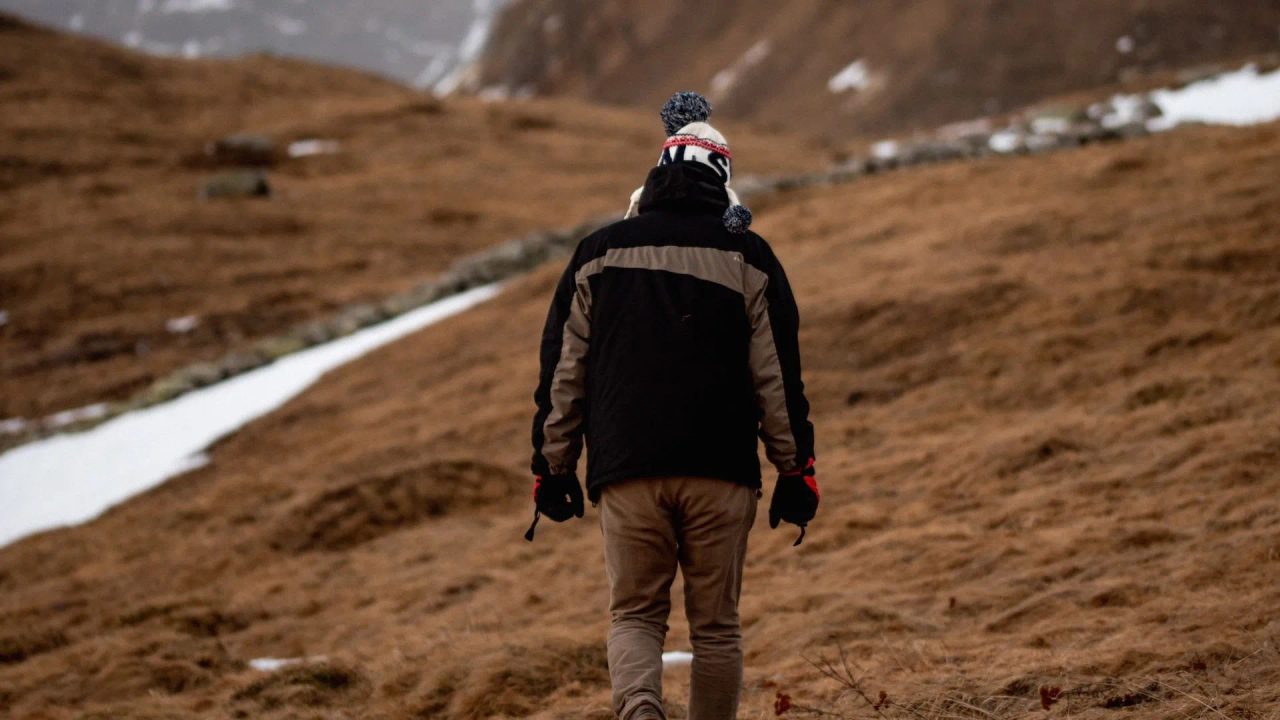
Anyone who has been to the mountains at least once knows perfectly well how important the trekking gear you carry is. The reasons are very clear: the wrong trekking gear can ruin your hike, or even put your moment of relaxation in danger due to equipment unable to face the challenges nature presents to those who want to explore it.
Choosing the right trekking gear for your situation used to be a really difficult process for years, partly due to the difficulty in getting information; nowadays, thanks to the internet, selecting the most suitable tools for your passions has become much easier.
Going trekking, whether in the mountains or perhaps in the hills, is the perfect way to explore little-known places gently and respectfully. Exploring new places deeply satisfies the human soul, touching the chords of humanity that evolution has slightly modified over the centuries. To limit the risks associated with this activity, having the right gear with you is the best way.
We at Meeters know trekking well because for years we have been organizing themed events for all kinds of situations: when it comes to improving the quality of people's free time, we are always at the forefront and therefore know everything there is to know about trekking gear.
Let's discover together the key points to keep in mind before choosing the trekking gear that suits you.
Where Are You Going?
The first question you need to ask yourself is: what kind of hike do you want to do?
Choosing the right gear for your hikes is something you do mainly based on the type of hike you want to undertake.
Parameters such as the duration of the hike, the type of terrain you will face, the difficulty level of the route, or the weather conditions can make clothing and accessories more or less essential.
[activecampaign form=22 css=1]
The duration of the hike, for example, is very important to consider because it affects the size of the backpack you need.
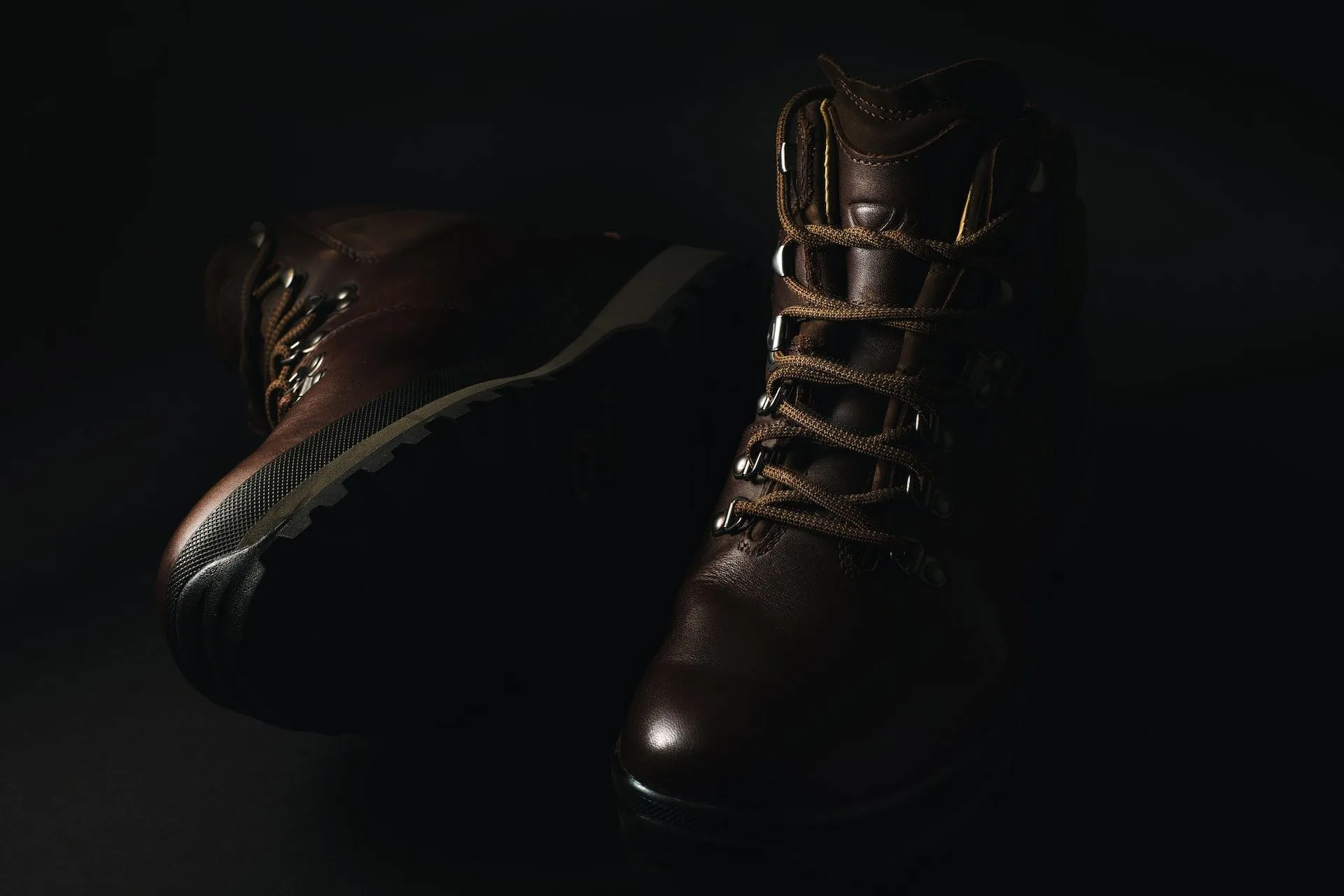
The type of terrain is a parameter that helps define the kind of accessories and especially the shoes you need to buy: trekking poles and shoes with rugged soles can make a big difference in many cases.
The expected weather, on the other hand, helps determine what kind of clothing to bring: in case of expected rain, a rain jacket can always make a difference.
Understanding Who We Are and What We Can Do
Besides what is outside of us, it is good to know who we are and what our bodies can achieve.
This phrase, somewhat philosophical in approach, is actually very important because it helps us understand an essential element: how far can we push ourselves?

Physical fitness is what makes the difference between being able to carry a heavy backpack and being able to carry a light one.
Without adequate physical preparation, trekking poles can become a trekker's best friends because they help distribute the effort of walking (whether slow or fast) also to the joints of the upper limbs.
Having experience with yourself and what you can do is very important because it allows you to understand how far you can go and, based on that, better decide what to buy and what to bring with you.
Having the contact of an experienced guide is a good way to get a benchmark without necessarily spending money.
What Should Always Be Bought for Trekking?
A list of items to always bring when venturing into the mountains might look like this:
-
- Hiking backpack
- Clothing according to the weather
- Trekking shoes
- Sun protection accessories (sunglasses, cap with visor, sunscreen)
- First aid tools: (Swiss knife, cellphone with satellite connection, thermal blanket, first aid kit)
- Food and drinks to keep sugars and fluids up
What Clothing Should You Buy?
What clothing should you generally buy if you want to embark on a day or more of trekking?
Clothing is very important and is roughly divided into two categories: clothing to wear and clothing to pack in your backpack.
Among the garments you can't do without, besides thermal shirts/sweatshirts/jackets, are good quality socks,, pants/shorts and breathable underwear. Socks and underwear help avoid irritation as much as possible, while for pants you can look for models that can be shortened thanks to zippers and detachable parts. If cold is expected during the trip, it's good to bring an extra mid-layer, perhaps fleece or a very thin down jacket to wear just in case.
Among optional but important garments, especially for longer or more challenging routes, are spare clothes (both shirts and/or underwear), a waterproof jacket to face rain, overpants to waterproof the lower part of your clothing, a head covering (cap with visor or beanie, depending on the weather forecast), and gloves, which are always useful when it's cold.
What If I'm Not Going to the Mountains?
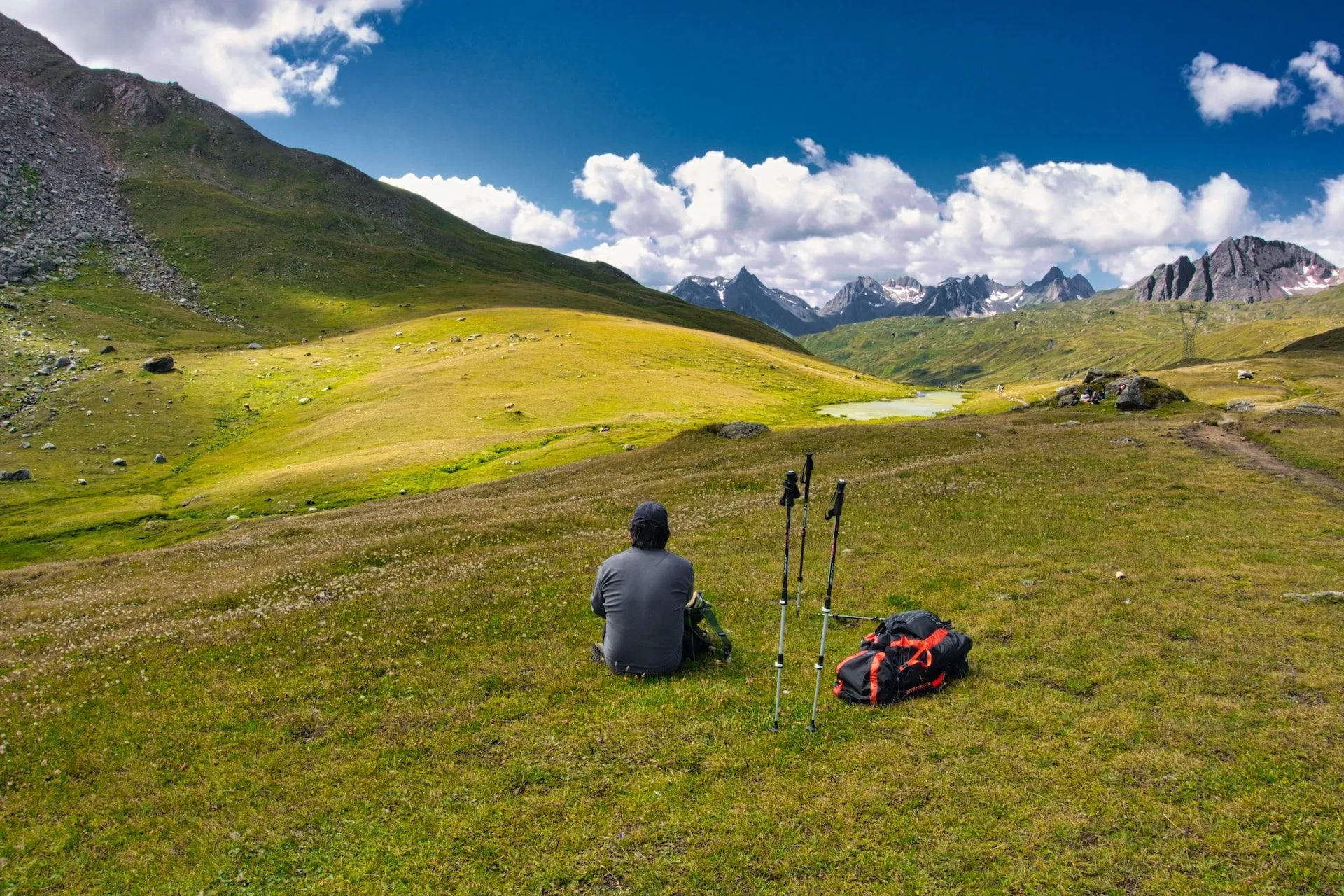
All the advice we've given above is incredibly valid for trekking in the mountains; if the hike you want to do is in a place with a milder climate, the elements that change are actually relatively few.
Things that should remain solid even in milder temperatures are good trekking shoes, essential for covering many steps without damaging your feet, breathable underwear to avoid irritation from excessive walking, and good quality socks, perhaps simply made of materials that provide just the right warmth depending on where you go.
Trekking poles can also be good in all situations; their purpose is to distribute the weight of walking across all the body's joints, preventing excessive strain on the knees, which would otherwise be the only joints involved in movement. Using poles on long stretches or rough paths is a good way to make life easier and keep your health in check.